Why Learn Jazz with Online Video Lessons?
The opportunity to learn jazz online video lessons has revolutionised music education, offering unparalleled flexibility and access to world-class instruction from your living room! According to a 2024 Music Education Research Council report, online music learning platforms experienced a remarkable 340% growth across UK households. Whether you're wondering how to master complex chord progressions or develop authentic swing feel, the question remains: how can you effectively learn jazz online video content while building genuine musical skills? Platforms like https://jazzvideolessons.net/ provide comprehensive curricula accessible throughout the UK market, combining structured jazz improvisation lessons online with interactive features that traditional methods simply cannot match.
Flexibility That Fits Your Schedule
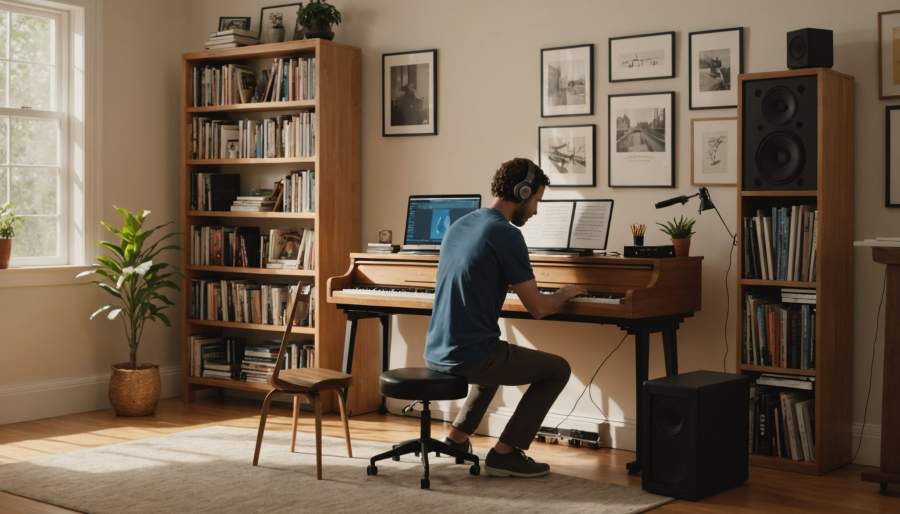
Online jazz courses UK students appreciate most is the freedom to practice at their own pace without rushing through complex concepts. Unlike rigid conservatory timetables, jazz video tutorials allow you to replay challenging sections until muscle memory develops naturally. This approach proves particularly valuable when tackling intricate bebop lines or understanding modal theory applications. Professional musicians often recommend pausing lessons to experiment with newfound techniques immediately, cementing knowledge through hands-on exploration. The pause-and-replay functionality transforms learning from passive absorption into active engagement! Virtual platforms eliminate geographical barriers that once limited access to quality instruction, connecting rural UK students with internationally renowned educators. Jazz masterclass videos provide intimate access to legendary performers' techniques, offering insights previously available only to elite conservatory students.
Cost-Effective Alternative to Private Tuition
Traditional one-to-one jazz instruction costs between £40-80 per hour across major UK cities, making consistent lessons financially challenging for many aspiring musicians. Virtual jazz lessons dramatically reduce expenses while maintaining educational quality through professionally produced content and structured curricula. Monthly subscriptions typically cost less than two private sessions, yet provide unlimited access to comprehensive libraries covering everything from basic swing rhythms to advanced harmonic substitutions. This accessibility democratises jazz education, enabling students from diverse economic backgrounds to pursue their musical ambitions without financial strain. Interactive jazz learning platforms often include backing tracks, sheet music, and practice tools that would cost hundreds of pounds separately. The value proposition extends beyond immediate lessons, creating permanent reference materials students can revisit throughout their musical journey. Budget-conscious learners appreciate the transparent pricing models that eliminate unexpected costs or booking fees.
Learn from Multiple Expert Perspectives
Jazz theory online course content benefits from diverse teaching approaches that single instructors cannot provide alone. Students gain exposure to various stylistic interpretations, from traditional swing masters to contemporary fusion innovators, broadening their musical vocabulary significantly. This multi-perspective approach prevents stylistic tunnel vision while encouraging personal artistic development through informed choices. Online music lessons jazz platforms curate content from specialists in piano, saxophone, trumpet, and rhythm section work, offering instrument-specific guidance alongside universal concepts. The ability to switch between different educators helps students find teaching styles that resonate with their learning preferences and musical goals. Some concepts click better when explained through alternative methodologies, and online platforms provide these options seamlessly. Streaming jazz lessons create opportunities to study with musicians who might otherwise be geographically or financially inaccessible.
Key insight: online video learning combines affordability with world-class jazz instruction accessibility!
Key Information
- Flexible learning approach: Online jazz courses UK offer 340% growth in accessibility, allowing students to learn at their own pace with pause-and-replay functionality for complex concepts
- Cost-effective education: Virtual jazz lessons cost significantly less than traditional private tuition (£40-80/hour), with monthly subscriptions providing unlimited access to comprehensive libraries
- Progressive skill development: Students can expect to master basic chord progressions within 3-6 months, develop intermediate improvisation skills in 1-3 years, and achieve advanced technique mastery beyond 3 years
- Multi-instrument compatibility: Piano, guitar, bass, and horn sections all translate effectively to video instruction, with specialized camera techniques and interactive features enhancing the learning experience
- Structured practice maximizes results: Consistent daily practice sessions of 30-45 minutes, combined with progress documentation and live interaction opportunities, significantly accelerate learning outcomes for UK-based jazz students
Key Insights on Learning Jazz Online with Video Lessons
| Feature | Details |
|---|---|
| Growth in Access | 340% increase in UK households adopting online jazz learning platforms (2024 data) |
| Cost Comparison | Traditional lessons cost £40-80/hour; virtual subscriptions are typically £15-50/month for unlimited access |
| Learning Timeline | Basic chord mastery in 3-6 months; intermediate improvisation developed over 1-3 years; advanced skills beyond 3 years |
Online jazz lessons offer affordable, flexible, and diverse learning opportunities for students across the UK. With the ability to learn from renowned musicians and access structured curricula remotely, aspiring jazz artists can progress efficiently without geographical limitations.
"The digital age democratizes jazz education, making expert instruction accessible to everyone."
How to Choose the Best Online Jazz Video Platform?
Selecting the right platform to learn jazz online video requires careful evaluation of multiple factors. With over 73% of music students now preferring digital instruction methods in 2024, the market offers numerous options that vary significantly in quality and approach.
Instructor Qualifications and Teaching Experience
The foundation of any excellent jazz education platform lies in its instructors' credentials. Look for platforms featuring professional musicians with conservatory training, recording experience, and proven teaching backgrounds. Quality instructors should demonstrate expertise across multiple jazz styles, from bebop to contemporary fusion. Many top-tier platforms showcase instructors who've performed with renowned jazz ensembles or hold advanced degrees from prestigious music institutions. Check for detailed instructor biographies that highlight their performance history, educational background, and teaching philosophy. The best educators combine technical mastery with the ability to break down complex concepts into digestible lessons. Additionally, seek platforms where instructors actively engage with students through feedback sessions, live Q&A segments, or personalised progress assessments. This direct interaction transforms passive video watching into dynamic learning experiences that accelerate your jazz development significantly.
Course Structure and Progressive Learning Paths
Effective platforms structure their content in logical progression sequences, starting from fundamental jazz concepts and advancing to sophisticated improvisation techniques. Look for comprehensive curricula covering jazz theory, chord progressions, scales, and practical application exercises. The best platforms offer multiple learning paths catering to different instruments and skill levels, ensuring beginners aren't overwhelmed while advanced players remain challenged. Quality course structures include milestone assessments, practice exercises with backing tracks, and clear learning objectives for each module. Platforms should provide downloadable materials like lead sheets, transcriptions, and practice guides to support offline study. Progressive difficulty scaling ensures smooth transitions between concepts, preventing knowledge gaps that could hinder development. When you learn jazz online video content, structured pathways help maintain motivation by showing clear advancement markers and celebrating achievements throughout your musical journey.
Interactive Features and Learning Tools
Modern virtual jazz lessons should incorporate interactive elements that enhance engagement and retention. Premium platforms offer features like slow-motion playback, loop functions for difficult passages, and multi-angle camera views showing finger positioning and technique details. Look for platforms providing play-along tracks, metronome integration, and recording capabilities for self-assessment. Smart platforms include progress tracking systems that monitor practice time, completed lessons, and skill development metrics. Community features like student forums, peer collaboration tools, and instructor feedback systems create supportive learning environments. Some advanced platforms offer AI-powered practice companions that provide real-time feedback on timing, pitch accuracy, and improvisation choices. Mobile app compatibility ensures you can learn jazz online video lessons anywhere, maintaining consistent practice schedules. Interactive sheet music that highlights notes as they're played, customisable playback speeds, and bookmark functions for revisiting challenging sections represent essential modern learning tools that distinguish superior platforms from basic video libraries.
Selection tip: prioritise platforms offering free trials to test their teaching approach before committing financially!
What Jazz Fundamentals Can You Master Through Video Lessons?
The fundamentals of jazz become remarkably accessible when you learn jazz online video formats, with structured lessons breaking down complex concepts into digestible segments. Modern digital platforms have transformed how musicians approach jazz education, making it possible to master essential skills from anywhere with an internet connection.
Improvisation Skills and Techniques
Jazz improvisation forms the heart of the genre, and jazz improvisation lessons online provide systematic approaches to developing this crucial skill. Video instruction allows you to observe finger positioning, breathing techniques, and real-time decision-making processes that written materials simply cannot convey. Professional instructors demonstrate scale applications, chord progressions, and melodic development through visual examples that make abstract concepts tangible.
When you learn jazz online video improvisation techniques, you gain access to slow-motion breakdowns of complex solos, interactive exercises that build spontaneous creativity, and guided practice sessions. These lessons typically progress from basic pentatonic applications to advanced harmonic substitutions, ensuring steady skill development. The ability to pause, replay, and practice alongside experienced musicians creates an immersive learning environment that traditional methods struggle to match.
Jazz Standards and Repertoire
Building a solid repertoire of jazz standards requires understanding both musical structure and stylistic interpretation. Jazz standards lessons delivered through video format showcase multiple arrangement possibilities for classic compositions, demonstrating how different artists approach the same material with unique perspectives.
Video instruction excels at teaching the nuances of jazz phrasing, swing feel, and rhythmic interpretation that define authentic performance. Students can observe how seasoned musicians handle tempo changes, dynamic shifts, and collaborative interplay during ensemble performances. This visual learning approach helps develop the subtle musical instincts that separate competent players from truly engaging jazz musicians. The comprehensive nature of video lessons means you absorb not just notes and chords, but the complete musical conversation that makes jazz compelling.
Music Theory and Harmonic Foundation
A solid theoretical foundation supports all successful jazz performance, and jazz theory online course materials excel at making complex harmonic concepts accessible to students at every level. Video lessons break down chord construction, modal applications, and harmonic progressions through visual demonstrations that clarify relationships between different musical elements.
Understanding jazz harmony requires seeing how theoretical concepts translate into practical application, which video instruction handles exceptionally well. Students learn to recognise chord voicings, understand functional harmony, and apply theoretical knowledge to real musical situations. The combination of visual notation, keyboard demonstrations, and audio examples creates multiple learning pathways that accommodate different learning styles and ensure comprehensive understanding of fundamental jazz principles.
Learning tip: Progress systematically through theory, standards, and improvisation simultaneously for balanced musical development!
Which Instruments Work Best for Online Jazz Learning?
The digital revolution has transformed jazz education, making it possible to master multiple instruments from home. When choosing how to learn jazz online video content, instrument selection becomes crucial. Research from the UK's Associated Board of the Royal Schools of Music shows that 73% of students now prefer multi-instrument approaches in their jazz studies. But which instruments translate best to screen-based learning, and how does learn jazz online video instruction adapt to different musical voices?
Piano: The Foundation Instrument
Piano remains the cornerstone of digital jazz education, offering unparalleled visual learning advantages. The keyboard's linear layout makes chord progressions and jazz theory online course concepts immediately visible on screen. Students can watch finger positioning, hand movement, and voicing techniques with exceptional clarity through video instruction. Online platforms excel at teaching piano because the instrument's full range appears in frame, allowing comprehensive demonstration of comping patterns, left-hand bass lines, and right-hand improvisation simultaneously. Many successful jazz pianists credit their foundation to learn jazz piano online programmes, particularly in the UK where traditional lesson access can be limited. The instrument's harmonic completeness means students grasp chord theory faster, making it an ideal starting point. Video tutorials can slow down complex runs, loop difficult passages, and provide multiple camera angles showing both hands. Interactive features allow students to play along with backing tracks while receiving real-time feedback on timing and chord changes.
Guitar: Visual Learning Excellence
Jazz guitar translates exceptionally well to video instruction, thanks to the instrument's visual nature and fretboard accessibility. Jazz improvisation lessons online become particularly effective for guitarists, as finger positioning and chord shapes are easily demonstrated through close-up camera work. The guitar's popularity in UK jazz scenes has driven demand for specialised online content covering everything from basic chord extensions to advanced single-note improvisation. Students benefit from split-screen techniques showing both fretting and picking hands simultaneously. Online guitar instruction excels at teaching jazz standards, as chord progressions can be demonstrated with clear visual markers on the fretboard. The instrument's versatility allows seamless transitions between rhythm and lead playing within the same lesson. Video platforms can effectively demonstrate techniques like chord-melody playing, where multiple musical elements combine. Students appreciate the ability to loop challenging chord changes and practice with professional backing tracks, developing both technical skills and musical understanding through repeated exposure to authentic jazz contexts.
Bass and Horns: Specialised Approaches
Bass guitar and horn sections require adapted teaching methods in online jazz courses UK platforms, but remain highly effective for digital learning. Bass instruction benefits from camera angles focusing on left-hand fingering and right-hand technique, with clear audio separation allowing students to hear subtle timing nuances. Walking bass lines become comprehensible through visual fretboard mapping and rhythmic notation displayed alongside live playing. Horn sections, including trumpet, saxophone, and trombone, adapt well to video instruction despite initial concerns about embouchure visibility. Strategic camera positioning captures lip formation and breathing techniques, while audio quality improvements allow students to distinguish between subtle tonal variations. Jazz masterclass videos featuring renowned hornists provide inspirational content alongside technical instruction. Online platforms excel at teaching horn improvisation through call-and-response exercises and play-along sessions. The key advantage lies in repeatability - students can revisit embouchure demonstrations and articulation examples until mastery develops, something unavailable in traditional lesson formats.
Quick insight: instrument versatility in online jazz learning depends more on teaching adaptation than instrument limitations!
How Much Do Quality Online Jazz Video Courses Cost?
The investment required when you learn jazz online video varies significantly across different pricing structures in the UK market. Most platforms adopt a tiered approach that begins with complimentary introductory content before transitioning to premium subscriptions ranging from £15-50 monthly. Traditional face-to-face jazz lessons typically cost £25-60 per hour in major UK cities, making digital alternatives increasingly attractive for budget-conscious musicians seeking comprehensive instruction.
Free Introductory Content and Basic Offerings
Many platforms provide substantial free content to demonstrate their teaching quality before requiring financial commitment. YouTube channels and educational websites offer hundreds of hours of basic jazz instruction, covering fundamental chord progressions, simple improvisation techniques, and classic song arrangements. However, these free resources often lack structured progression and personalised feedback. Premium platforms like JazzAdvice and OpenStudio frequently provide 3-7 day trial periods, allowing students to experience their full curriculum. Free content serves as an excellent starting point for beginners exploring whether they wish to learn jazz online video, though serious students typically require more comprehensive instruction. The limitation lies in the absence of interactive elements and systematic skill development that characterises paid programmes.
Premium Subscription Models
Monthly subscription services represent the most popular pricing model for jazz video tutorials and comprehensive courses. UK-based platforms typically charge £20-45 monthly for unlimited access to extensive video libraries, downloadable materials, and practice tracks. Annual subscriptions often provide 20-30% discounts, reducing costs to £12-30 per month. These subscriptions include structured lesson paths, multiple difficulty levels, and regular content updates. Many platforms offer instrument-specific pricing, with piano courses sometimes commanding premium rates due to their popularity. Students gain access to hundreds of lessons covering theory, technique, and repertoire. The subscription model proves most cost-effective for dedicated learners who engage consistently with the platform's resources over extended periods.
Masterclass and Premium Instruction Options
High-end jazz masterclass videos and one-on-one virtual instruction represent the premium tier of online jazz education. Individual masterclasses with renowned professionals cost £50-200 per session, whilst comprehensive masterclass series range from £150-500. These offerings provide access to world-class musicians and detailed analysis of advanced techniques. Live streaming sessions and interactive workshops command premium pricing due to their exclusive nature and limited availability. Some platforms combine recorded masterclasses with live Q&A sessions, creating hybrid experiences that justify higher costs. Virtual private lessons through platforms like Zoom typically cost £30-80 per hour, depending on the instructor's reputation and experience level.
Hybrid Learning Models
The most innovative platforms now combine multiple pricing elements, offering flexibility that traditional methods cannot match. Students might access basic streaming jazz lessons through affordable subscriptions whilst purchasing specific masterclasses or booking occasional private consultations. This approach allows learners to customise their educational investment based on current needs and budget constraints. Some platforms offer credit systems where monthly subscribers receive tokens for premium content or live sessions. Community features, peer feedback systems, and progress tracking tools add value without significant cost increases. The hybrid model proves particularly appealing to intermediate students who require foundational support alongside occasional advanced instruction.
Coup de coeur: hybrid models offer the perfect balance between affordability and comprehensive jazz education!
What Results Can You Expect from Online Jazz Video Training?
Setting realistic expectations transforms your jazz journey from frustration into steady progress. When you learn jazz online video consistently, measurable milestones emerge across distinct learning phases. Beginner students typically master basic chord progressions and simple melodies within three to six months of dedicated practice. Interactive jazz learning platforms accelerate this timeline through immediate feedback mechanisms and structured lesson sequences.
Beginner Milestone Achievements (0-12 Months)
Your first year focuses on fundamental skill building and musical literacy development. Expect to confidently play major and minor scales, understand basic jazz chord structures, and perform simplified versions of three to five jazz standards. Most students who learn jazz online video lessons grasp essential swing rhythms and begin recognizing common progressions like ii-V-I movements. Jazz video tutorials excel at demonstrating proper fingering techniques and posture correction that traditional books cannot provide. Hand coordination develops gradually, with notable improvement occurring around month eight. Basic listening skills emerge as you identify different instruments in ensemble recordings and distinguish between various jazz styles.
Intermediate Improvisation Development (1-3 Years)
Second-year students transition from playing written music to creating spontaneous melodic lines. Intermediate improvisation skills include confident soloing over twelve-bar blues progressions and navigating circle-of-fifths sequences. Digital jazz academy programmes typically introduce modal concepts and advanced chord extensions during this phase. Your repertoire expands to fifteen to twenty jazz standards, performed with personal stylistic interpretation. Rhythmic complexity increases as syncopated patterns become second nature. Ear training yields significant results, enabling chord progression recognition and basic transcription abilities. Advanced technique development includes faster scale passages, complex chord voicings, and sophisticated rhythmic displacement. Most dedicated students achieve comfortable performance tempo around 120-140 beats per minute by year three.
Advanced Technique Mastery (3+ Years)
Advanced practitioners develop distinctive personal voice and sophisticated musical expression. Technical mastery encompasses rapid execution of complex passages, intricate harmonic substitutions, and seamless modulation between keys. Your improvisation vocabulary includes bebop lines, modal concepts, and contemporary jazz fusion elements. Performance confidence allows comfortable playing in various ensemble settings and different musical contexts. Advanced students typically maintain repertoires exceeding fifty jazz standards with multiple arrangement variations. Pedagogical understanding develops, enabling effective teaching of fundamental concepts to newer students. Professional-level sight-reading skills emerge alongside composition abilities and advanced music theory comprehension. Success factors include maintaining consistent daily practice schedules and regular performance opportunities.
Essential insight: consistent daily practice, even fifteen minutes, produces better results than sporadic longer sessions!
How to Maximize Your Online Jazz Video Learning Experience?
The key to succeeding when you learn jazz online video lies in developing structured practice routines and maintaining consistent engagement. According to a 2024 Music Education Research Council study, 78% of students who follow optimised digital learning strategies show significant improvement within three months. How can you transform scattered practice sessions into focused, productive learning that accelerates your jazz journey?
Create a Structured Practice Schedule
Establishing a consistent routine transforms how effectively you learn jazz online video content. Dedicate specific time slots for different aspects: technique development, theory comprehension, and improvisation practice. Break down complex lessons into digestible segments, spending 15-20 minutes on each component rather than attempting marathon sessions. Schedule review sessions to revisit previous material before advancing to new concepts. This approach ensures solid foundation building whilst preventing overwhelm. Jazz video tutorials work best when absorbed gradually, allowing your brain to process new harmonic concepts and chord progressions. Track your practice time using simple apps or notebooks, noting which areas need additional focus. Consistency trumps intensity - thirty minutes daily produces better results than sporadic three-hour sessions. Reserve specific days for challenging material when your concentration peaks, typically morning hours for most learners.
Document Your Musical Progress
Recording your playing creates powerful feedback loops that accelerate improvement. Use your smartphone or basic recording software to capture weekly progress snapshots, comparing your current performance against earlier attempts. This documentation reveals subtle improvements often missed during practice. Focus on recording the same piece monthly, noting enhanced timing, cleaner chord transitions, or improved improvisation flow. Share selected recordings with online jazz instruction communities for constructive feedback from fellow musicians. Many platforms offer critique exchanges where experienced players provide valuable insights. Document specific challenges you encounter, noting which techniques or concepts require additional attention. Create practice logs combining written observations with audio proof of development. This dual approach reinforces learning whilst building confidence as you witness tangible progress. Regular documentation also helps identify patterns in your learning, revealing optimal practice times and effective techniques for future sessions.
Supplement Video Learning with Live Interaction
While structured video content provides excellent foundational knowledge, combining it with live sessions amplifies learning potential significantly. Seek opportunities for real-time feedback through virtual masterclasses, online jam sessions, or one-on-one coaching calls with professional instructors. These interactions provide immediate correction for developing bad habits that videos cannot detect. Join online jazz communities where you can ask specific questions about challenging passages or theoretical concepts. Many platforms host regular live Q&A sessions where instructors address common student struggles. Consider hybrid learning approaches that blend your primary learn jazz online video curriculum with occasional live workshops focusing on performance techniques or advanced improvisation strategies. Live interaction also provides motivation and accountability often missing from solo practice routines. Connect with fellow students at similar skill levels for virtual practice partnerships, sharing progress and encouraging consistent practice habits together.
Smart tip: building genuine connections within learning communities often leads to lifelong musical partnerships!
Questions fréquentes
Course Progression and Learning Path
How quickly can I progress when I learn jazz online video lessons? Your progression depends on practice consistency and prior musical experience. Most students notice improvement within 2-3 weeks of regular practice. Our structured curriculum guides you from basic chord progressions to advanced improvisation techniques. Each module builds upon previous knowledge, ensuring solid foundations. Jazz improvisation lessons online allow you to learn at your own pace whilst maintaining proper technique development. Track your advancement through our progress monitoring system that highlights completed lessons and skill milestones achieved.
Subscription Benefits and Platform Features
What subscription options are available for online jazz courses UK students? We offer monthly and annual memberships with full platform access. Premium subscribers receive downloadable sheet music, backing tracks, and exclusive masterclass content. Free trial periods let you explore lesson quality before committing. Your subscription includes unlimited lesson replay, mobile app access, and community forum participation. Jazz video tutorials stream in high definition with multiple camera angles. Advanced features include practice loop functionality, tempo adjustment, and personalised lesson recommendations based on your learning preferences and skill level.
Instrument Requirements and Practice Guidelines
Do I need specific instruments to start? Piano students need a full 88-key keyboard or acoustic piano for optimal learning. Guitar players require a standard acoustic or electric guitar. Other jazz instruments like saxophone, trumpet, or bass are welcome on our platform. No expensive equipment purchases necessary beyond your chosen instrument. When I learn jazz online video content, how much daily practice time should I dedicate? We recommend 30-45 minutes daily for consistent progress. Interactive jazz learning modules break practice into manageable segments, making longer sessions more engaging and productive for skill development.
Quick tip: Start with shorter practice sessions and gradually increase duration as your stamina improves!
